Tongue Ties & Lip Ties for
Kids & Teens
As children grow, the way their tongue moves and rests plays an important role in how they eat, speak, sleep, and breathe. When a tongue or lip tie is tight, restrictive or limits movement, it can sometimes lead to challenges over time. We’re here to help you understand what’s going on and guide you toward the right next step—at your child’s pace.







The Most Common
Symptoms & Signs
Speech & Swallowing
Difficulty with certain sounds
Lisp
Speech that may be harder to understand
Limited progress despite speech therapy
Tongue thrust swallowing
Mouth Breathing or open-mouth posture
Narrow long faces
Narrow upper jaws
Crowded / crooked teeth
Open bites
Large “gap” between front teeth
Snoring or restless sleep
Sleep disordered breathing or risk of sleep apnea
Teeth grinding
Daytime fatigue or difficulty focusing
If Treatment Is Recommended:
Frenectomy
If a tongue or lip tie is affecting your child’s function, a frenectomy may be recommended.
A frenectomy gently releases the tethered tissue, allowing for improved function of the tongue or lip. Unlike with babies, dental freezing is often given during the procedure to keep kids comfortable. We also typically place stitches after tongue tie releases in older patients to support proper healing and the best possible outcomes.
Depending on your child’s age and cooperation, sedation options may also be recommended to help them stay relaxed and ensure the procedure can be completed safely and thoroughly.
Depending on your child’s needs, we may also recommend supportive therapies, such as speech or myofunctional therapy, to help achieve the best outcome.
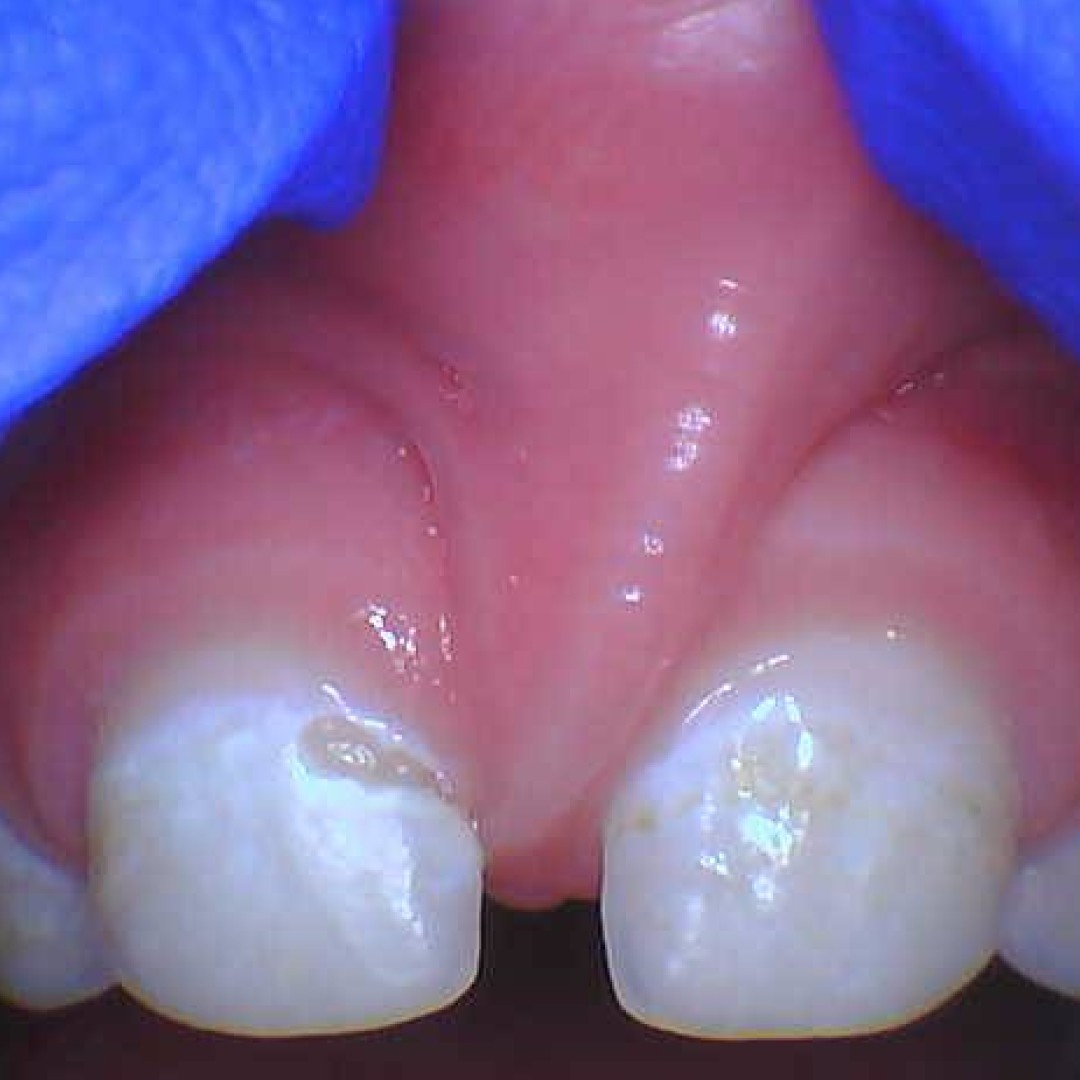
Lip Tie Before
Lip Tie After
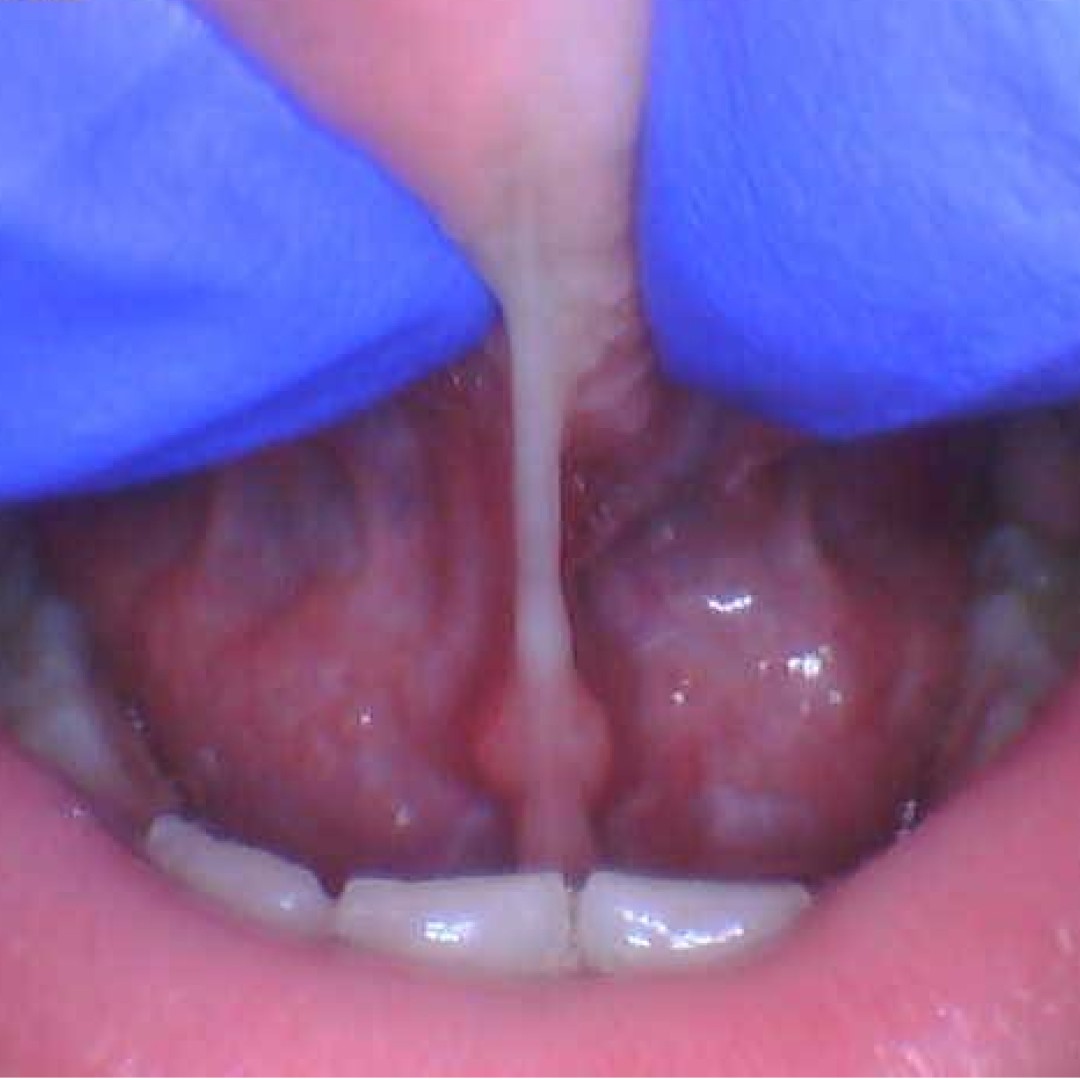
Tongue Tie Before
Tongue Tie After
Correcting Tongue Ties & Lips Ties
Why It Matters?
The tongue plays an important role in everyday function, from clear speech to proper breathing and oral development.
When movement is restricted, it can affect how these systems work together. Addressing concerns early can help support more comfortable function and healthy development over time.
What To Expect At Your
Consultation
Review your child’s history and any concerns
Assess how the tongue and mouth function
Look at overall oral development
Talk through our findings and recommendations
There’s no pressure to move forward with treatment. You’ll always have time to ask questions, explore your options, and choose what's best for your child.
After the Procedure
Recovery & Support
Simple aftercare instructions
Exercises to support healing and movement
Follow-up visits to monitor progress
Our goal is to make the process as smooth and comfortable as possible—for both you and your child.
FAQ
Learn More About
Lip & Tongue Ties
We're Here to Help
If something doesn’t feel quite right, it’s worth taking a closer look. We’re here to listen, assess, and help you make an informed decision with confidence.