Specialized Dental Care for
Kids of All Ages
We offer specialized paediatric care designed for every age, stage, and unique need. From gentle infant exams and routine cleanings to preventive and restorative treatments, our team is here to help your child grow up with a healthy smile.





Learn more about our
Dental Services
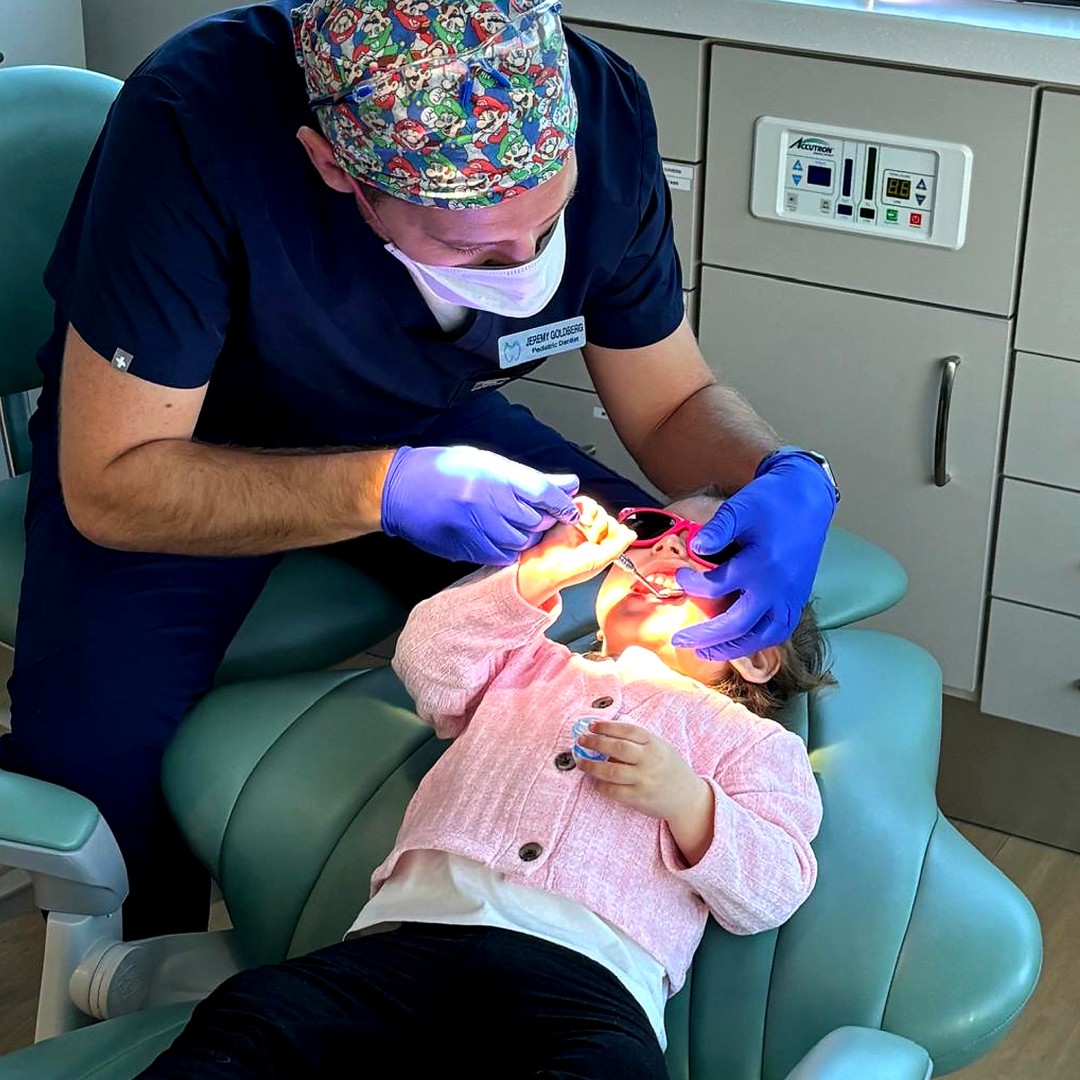
We recommend bringing your child in every 6 months for a dental check-up and cleaning. These visits help us keep their smile healthy, catch concerns early, and support good oral habits as they grow.
During your child’s visit, we may include:
A gentle clinical exam by a pediatric dentist
A thorough cleaning to remove plaque and tartar
(scaling and polishing)Fluoride treatment to strengthen enamel and help
prevent cavitiesDental X-rays when needed to check areas we
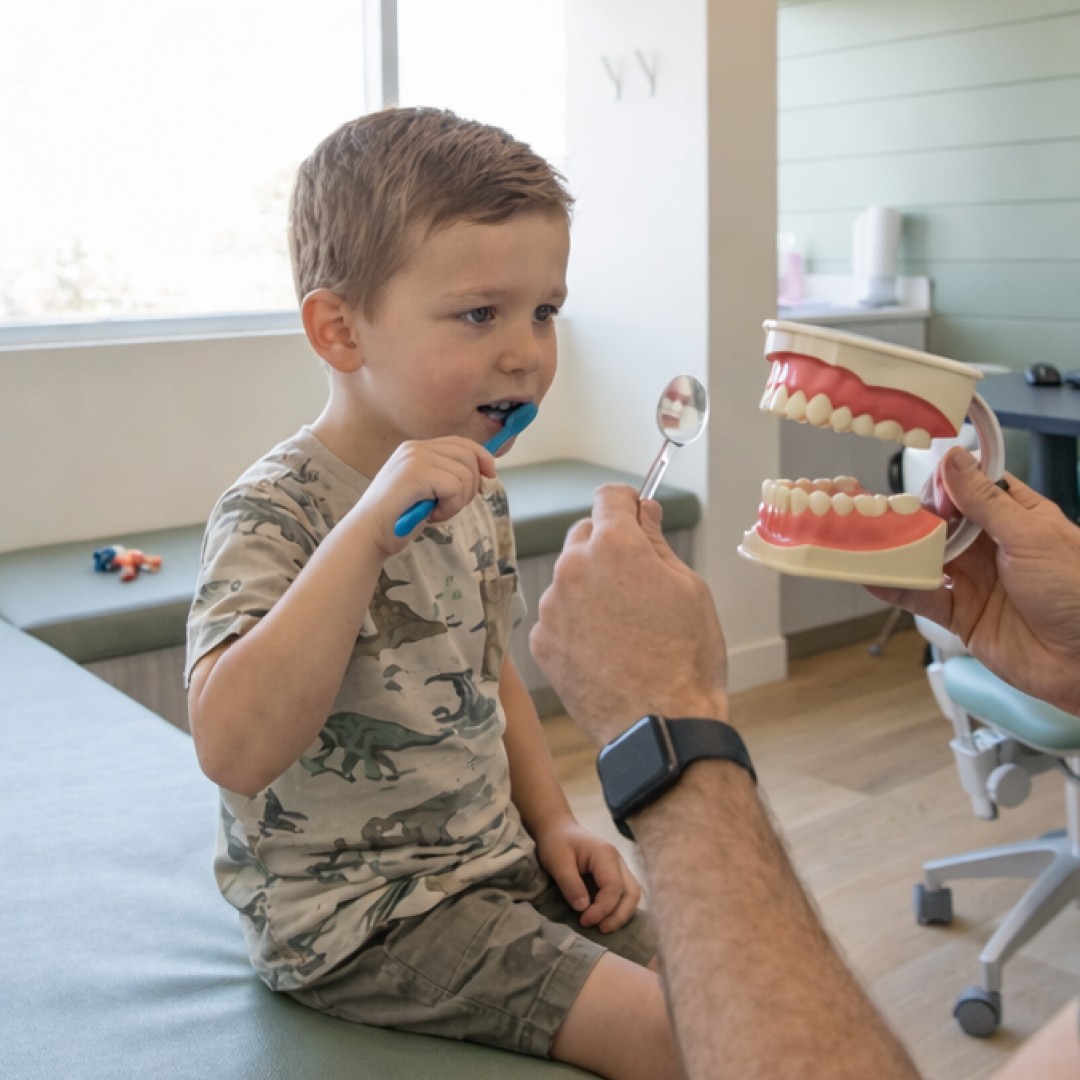
can’t see easilyHelpful guidance for parents and kids on brushing, flossing, and healthy dental habits
Special Care Needs
We are proud to provide compassionate, specialized dental care for children with diverse needs. We understand that the dental environment can feel overwhelming, and our goal is to create a calm, supportive space where every child feels safe, respected, and comfortable.
We welcome children with a wide range of needs, including autism, ADHD, sensory sensitivities, and other developmental or medical conditions. Our team has additional training and experience in caring for children who may need a more individualized approach. We encourage families to share any preferences, sensitivities, or strategies that help their child feel at ease so we can tailor each visit accordingly.
Our focus is not only on maintaining excellent oral health, but also on building trust, confidence, and positive experiences over time. We offer gradual desensitization visits and personalized approaches to help children become more comfortable in the dental setting at their own pace.
Every child deserves thoughtful, patient-centred care—and we are here to support your family every step of the way.
Sealants
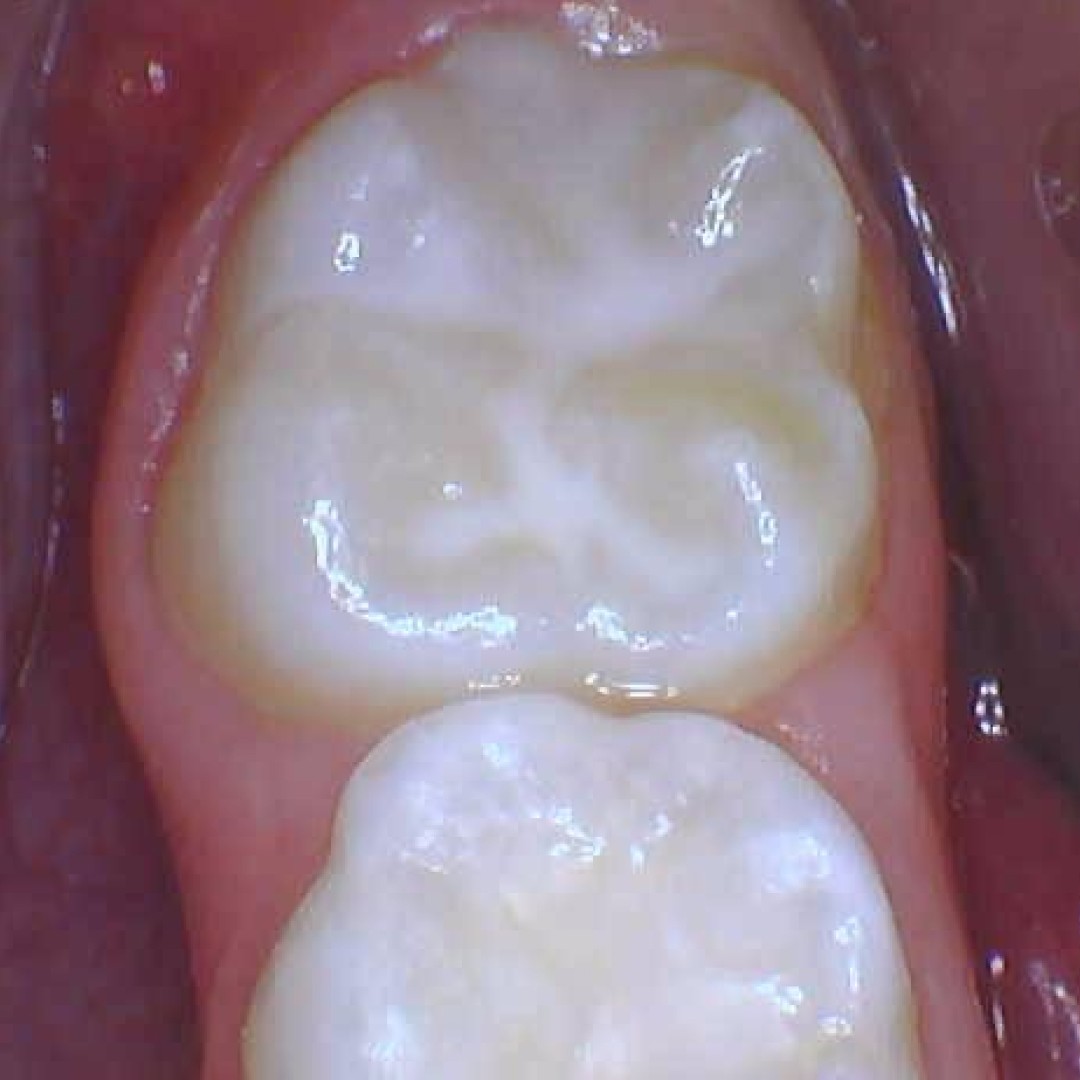
Dental sealants are a simple, preventive treatment that help protect your child’s teeth from cavities. A thin, tooth-coloured coating is gently applied to the grooves of the back teeth, where food and plaque can easily build up. This protective barrier helps keep those hard-to-clean areas safe and cavity-free.
Fillings & Crowns
If "sugar bugs" move in, we act fast to protect your child’s smile! Since baby teeth have thinner enamel, it is important to treat decay quickly to keep the tooth healthy until it’s ready to fall out naturally.
Tooth-Coloured Fillings: When cavities are small and localized, we use simple, durable, white fillings that blends with your child’s natural teeth.
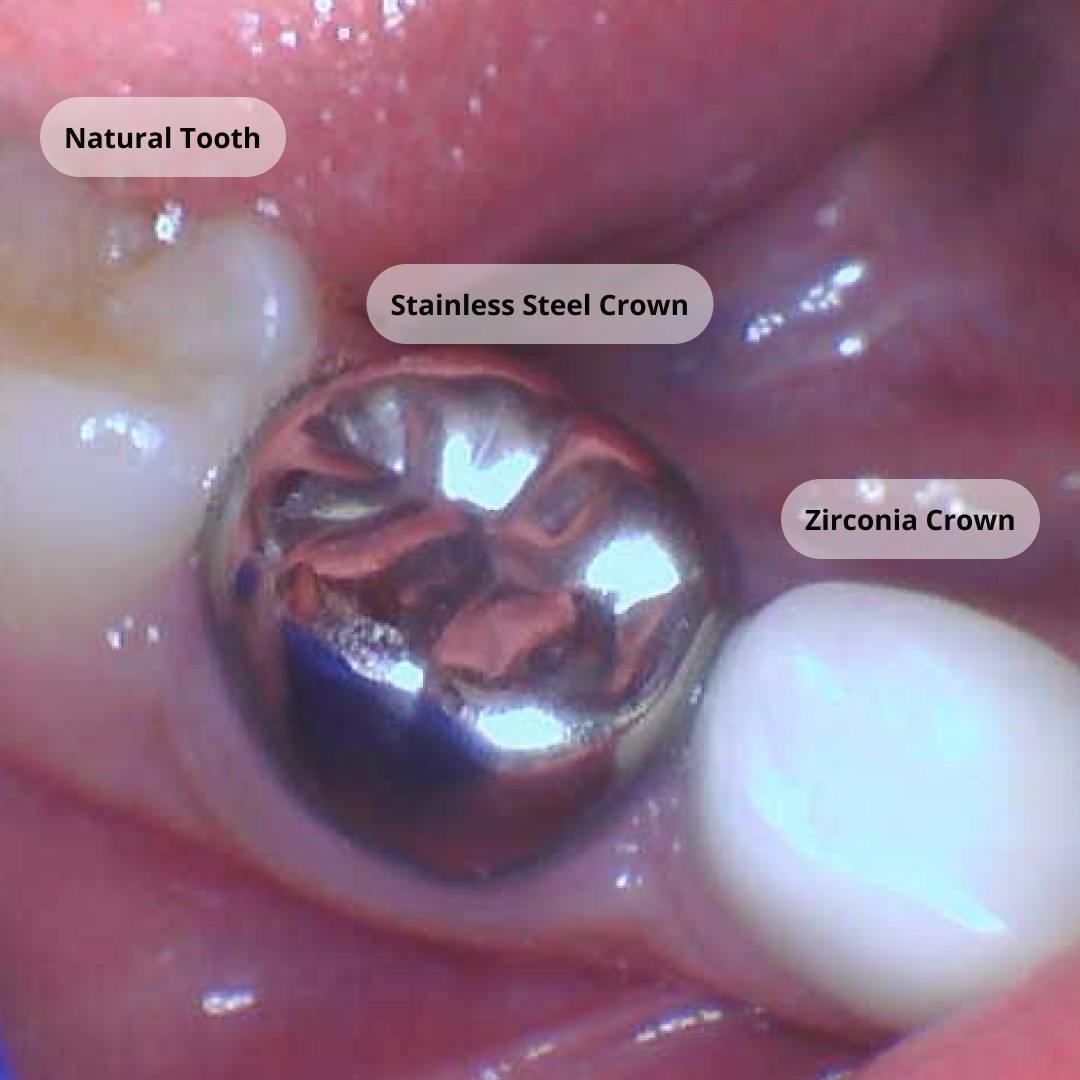
Protective Crowns: When a cavity is deep, involves multiple surfaces or is too large for a filling, a crown acts like a tiny, reinforced helmet to protect and save the tooth. Unlike with fillings, these teeth cannot get a repeat cavity later and are therefore a great choice for high cavity risk kids. We are proud to offer two options
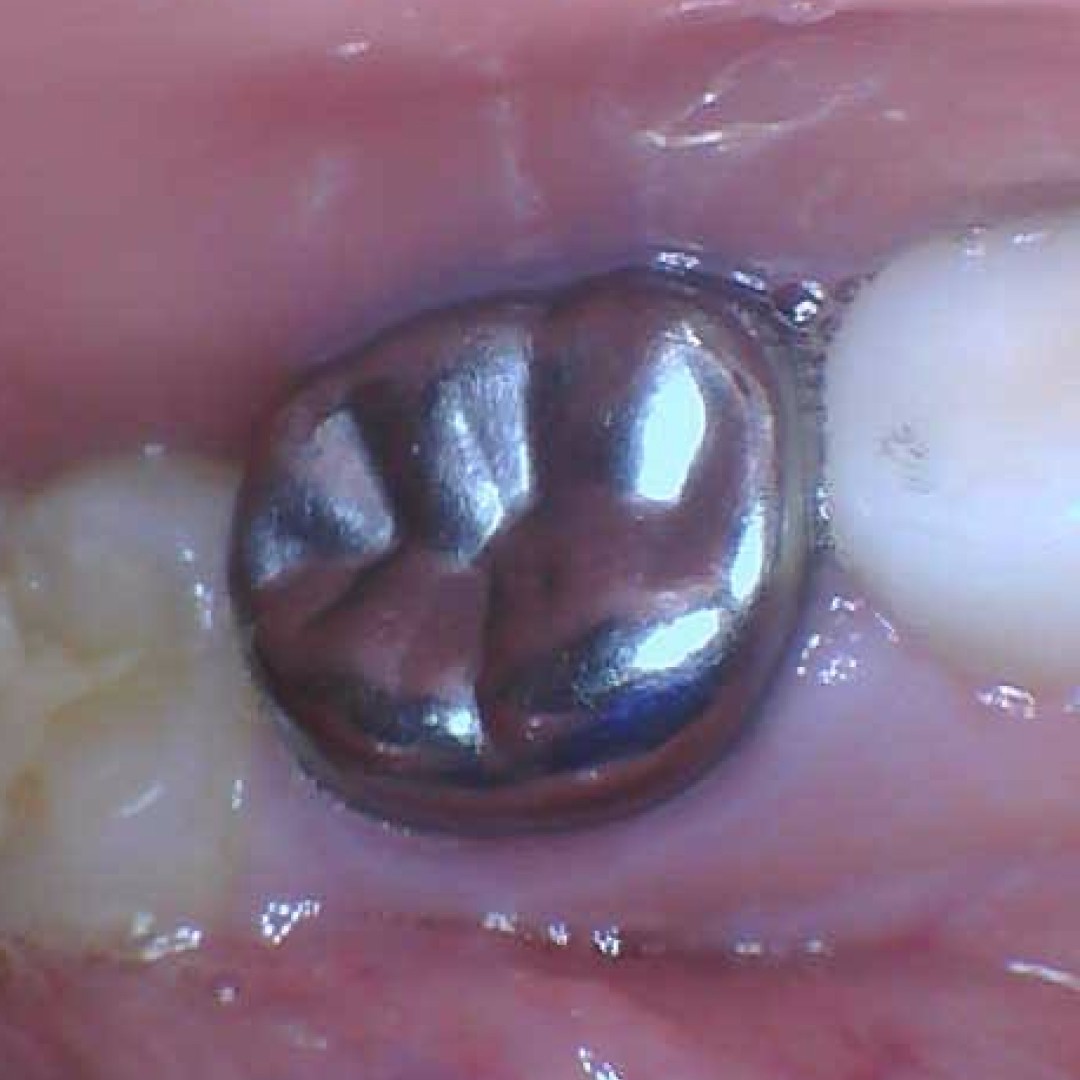
Stainless Steel: A silver-coloured, dependable, high-strength option that provides excellent protection and a high success rate. Steel crowns are relatively quick to do and kids love showing off their Princess crown teeth or Iron Man teeth to their friends!
Zirconia: A more aesthetic ceramic option that provides a natural look and exceptional durability. These are more technique sensitive and require excellent patient cooperation to be completed. Other than cosmetics, there is no advantage compared to stainless steel crowns.
Pulp Therapy
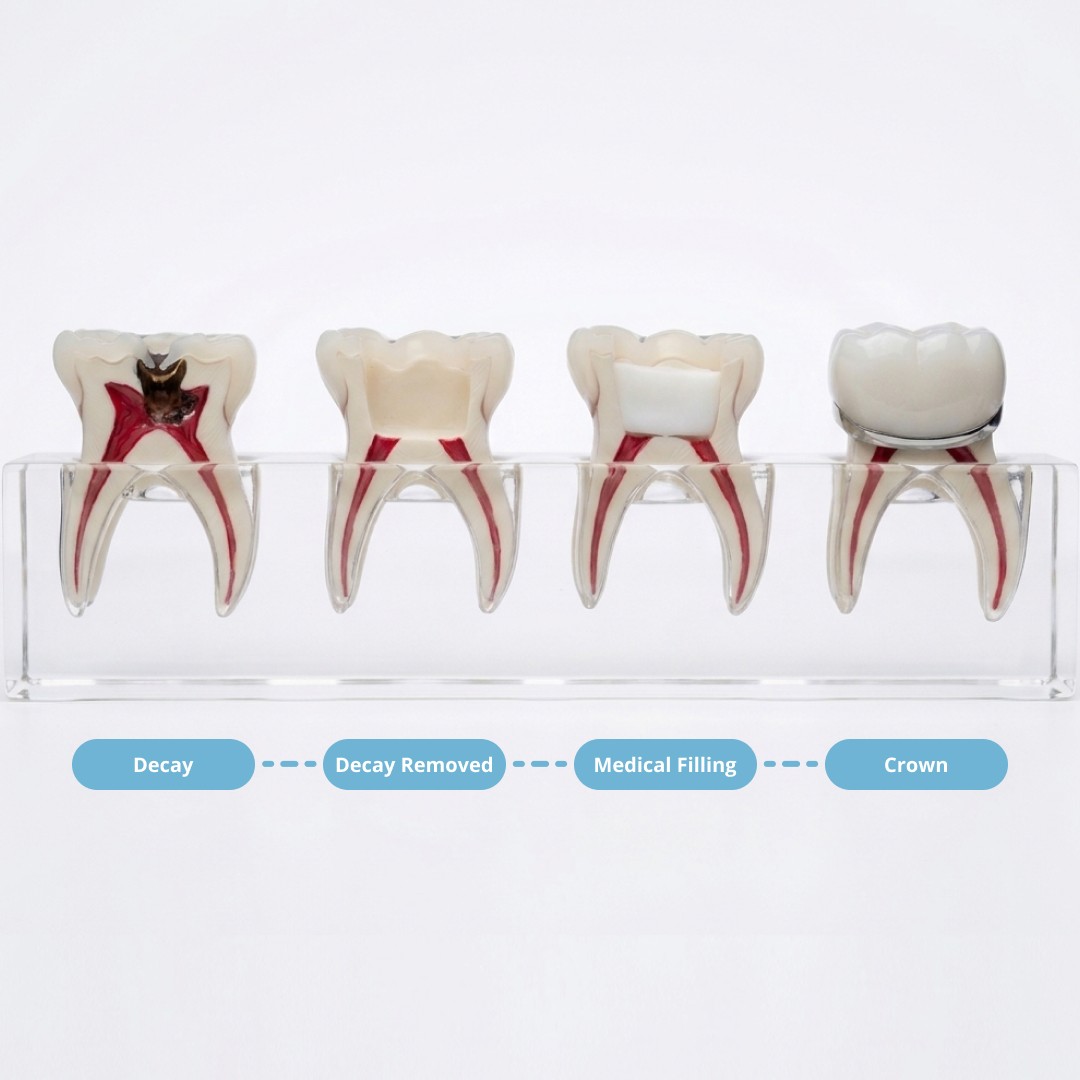
If the cavity reaches the inner part of the tooth (the nerve or “pulp”), but is still vital and not infected, a simple filling may not be enough. In these cases, we perform pulp therapy, often called a pulpotomy, to remove the decay while keeping the tooth healthy and comfortable.
This treatment allows us to preserve a baby tooth that might otherwise need to be removed, helping maintain space for the permanent tooth to come in properly.
Since the tooth has been weakened by a deep cavity, we place a protective crown afterward to restore its strength and keep it functioning until it naturally falls out.
Space Management
Baby teeth do more than just chew. They act as "placeholders" for future adult teeth. If a baby tooth is lost too early, the neighbouring teeth might drift or tilt into that open spot, potentially crowding out the permanent tooth waiting underneath.
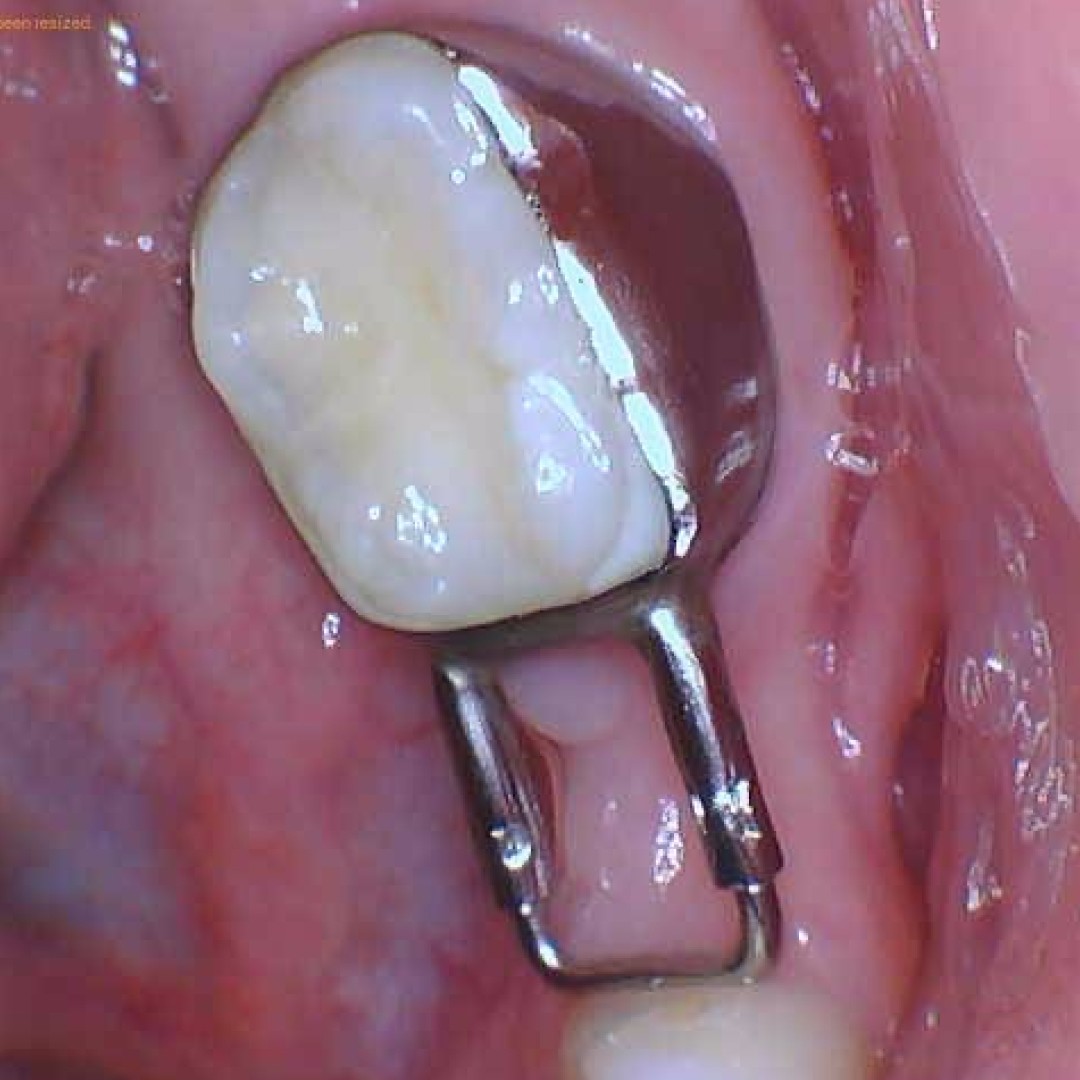
A space maintainer is a custom-fit appliance designed to "hold the spot" open. By keeping the neighbouring teeth in their proper positions, we ensure there is plenty of room for the adult tooth to grow in naturally.
Managing space early on is a smart, proactive step that can often simplify or even prevent the need for braces down the road.
Extractions
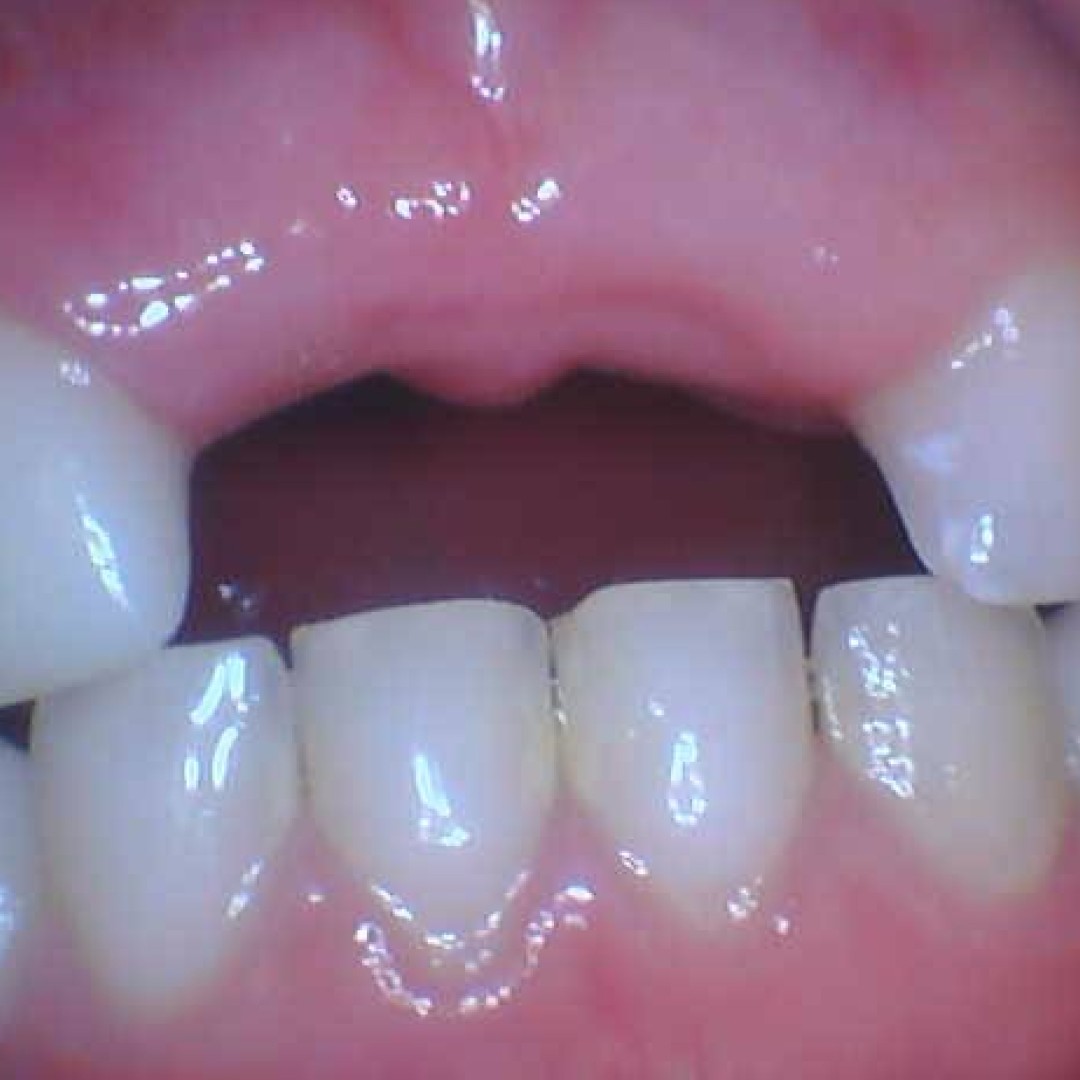
While our goal is always to save every tooth, sometimes removing a baby tooth is the best way to protect your child’s health. Whether it is due to a deep cavity, a dental injury, or a recommendation from your orthodontist, we make sure the process is quick, gentle, and stress-free.
Protecting the Smile: If a tooth is infected or badly damaged, removing it removes the source of pain and infection and prevents further risk of damage to the growing permanent tooth underneath.
Creating Space: In some cases, an extraction is a smart orthodontic proactive step. It can help create space earlier for crowded adult teeth before other orthodontic treatment can perfect your smile.

Learn more about our
Minimally Invasive
Dental Services
Silver Diamine
Fluoride (SDF)
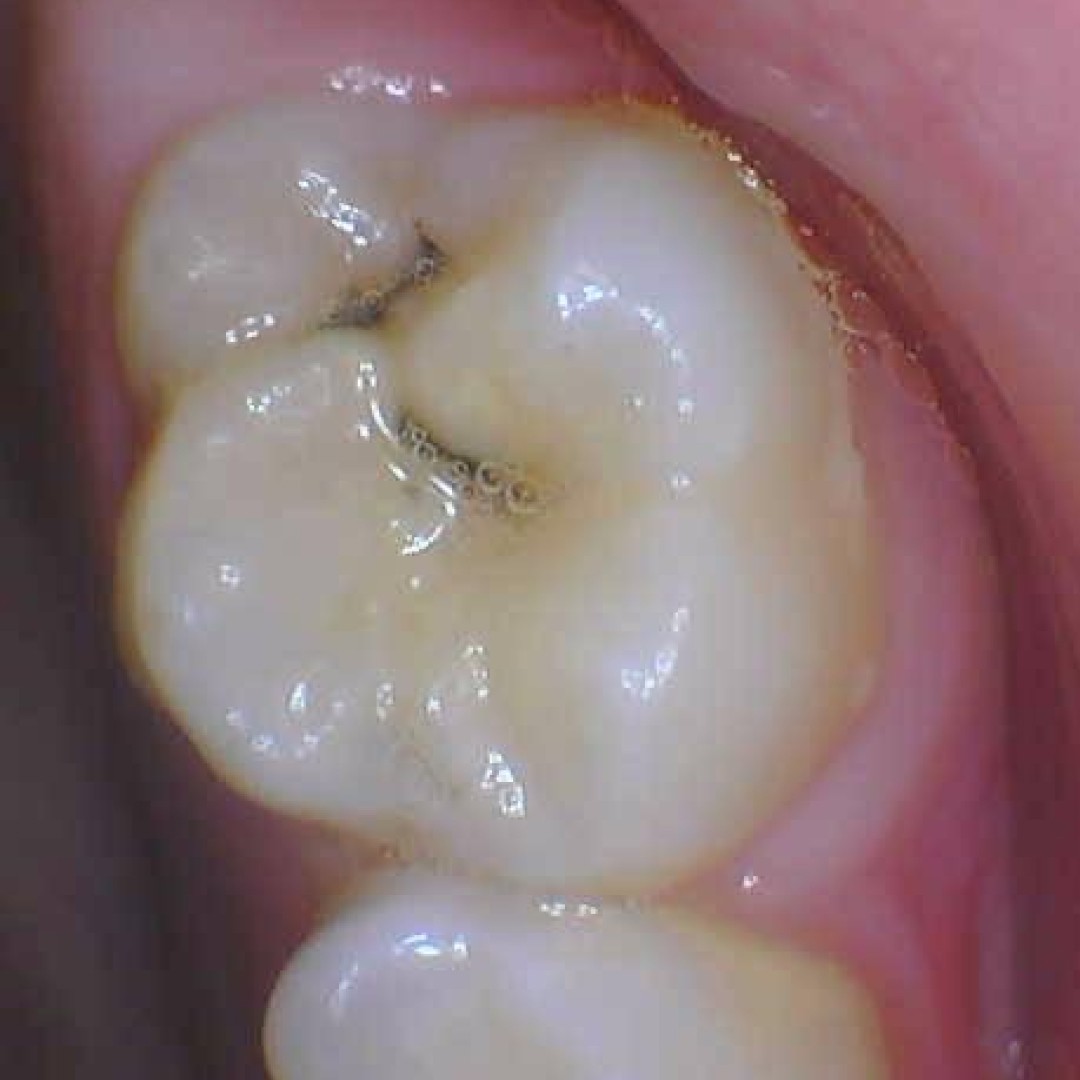
SDF is a liquid medication used to slow or stop a cavity in its tracks without the need for a drill or numbing. It is a great alternative, minimally invasive option for younger children or those who may not be ready for a traditional treatments.
The liquid is simply brushed onto the cavity or flossed between teeth in a process that takes only a few minutes. It works by hardening the softened part of the tooth and killing the bacteria causing the decay.
It is important to know that SDF will permanently stain the decayed area of the tooth black. While this is a great sign that the "sugar bugs" have been tamed, it can be a cosmetic concern for front teeth, but is healthier than actively growing cavities. Our team will help you decide if this treatment is the right fit for your child’s smile.
Atraumatic Restorative
Technique (ART)
ART is a gentle, minimally invasive way to treat cavities without the need for traditional dental freezing. This technique is a wonderful option for children who may struggle with conventional treatment. We carefully remove most of the decayed part of the tooth and place a protective, fluoride-releasing filling to prevent recurrence. It is a quick and calm process that helps stop the cavity while keeping your child completely at ease.
Since ART is a conservative approach, these fillings are carefully monitored during regular checkups. In some cases, as your child gets older and more confident in the dental chair, we may recommend a traditional filling or crown for long-term durability.
HALL Technique Crowns
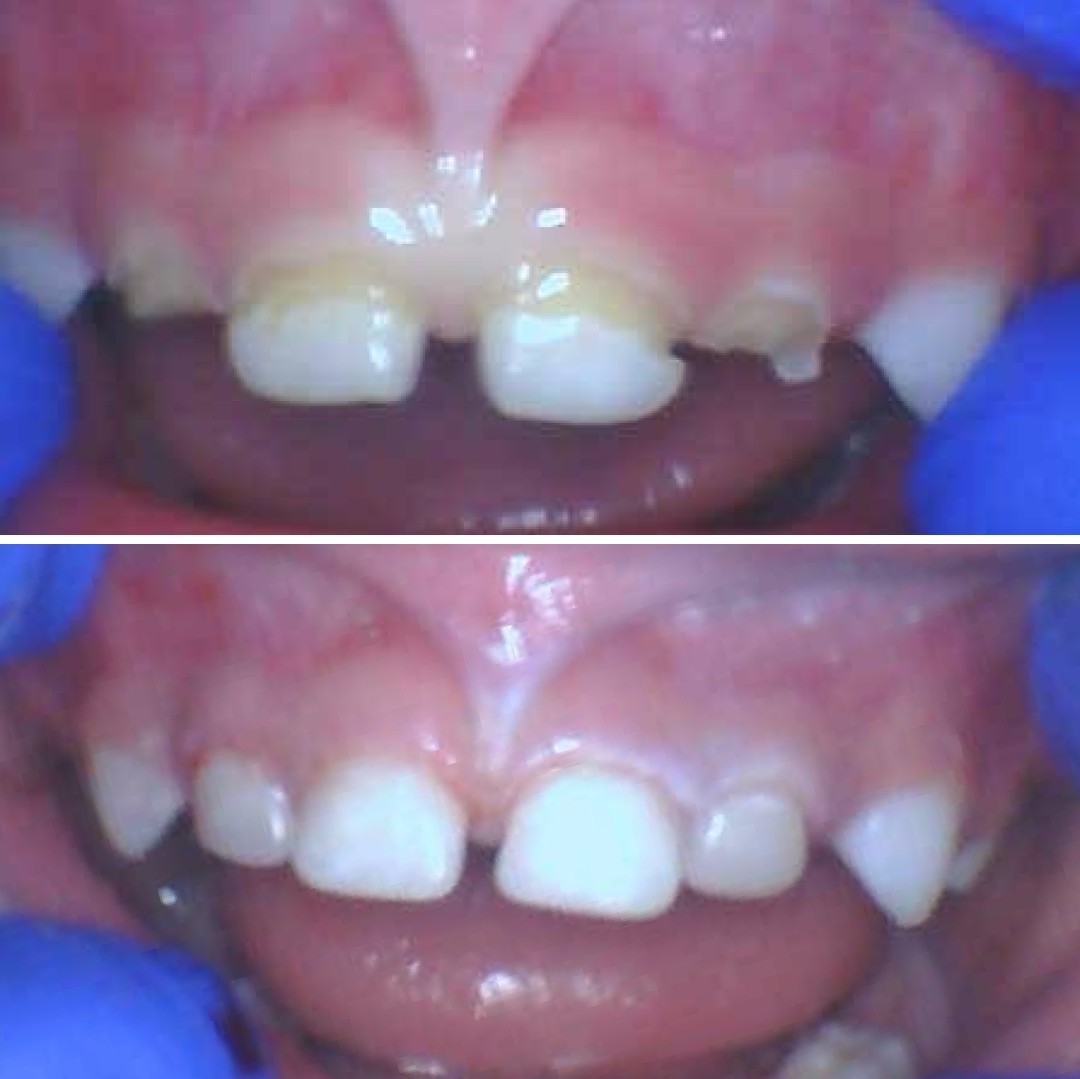
The Hall Technique is a specialized, minimally invasive way to place a stainless steel crown without the need for dental freezing or "drilling away” the sugar bugs. It is an excellent choice for children who may be nervous or have a hard time sitting for traditional procedures. White crowns cannot be done with this technique.
Instead of preparing the tooth with a drill, we use orthodontic elastics to create space around the tooth and then carefully fit a crown directly over.This process "seals" the decay inside, cutting off its supply of nutrients and stopping it from growing. It is a quick, comfortable way to protect the tooth until it falls out naturally.
Since there is no freezing or much drilling involved, many children find this to be a much easier and more positive experience. Our team will determine if your child is a candidate for this gentle, effective approach.

Learn more about our
Infant Care
First Dental Visits
Both the Canadian and American Academies of Pediatric Dentistry recommend that children visit the dentist by their first birthday or within six months of their first tooth appearing. This early start is the best way to ensure your child enjoys a cavity-free childhood and optimal oral development.
The first visit is as much for the parents as it is for the baby. We use this time to review proper brushing techniques and share diet recommendations that help protect those brand-new teeth. Establishing these habits early on prevents problems before they even begin.
Our goal is to make the first visit a "happy visit." By introducing your child to the dental office in a fun and stress-free way, we help them build a lifetime of confidence and a positive attitude toward their oral health.
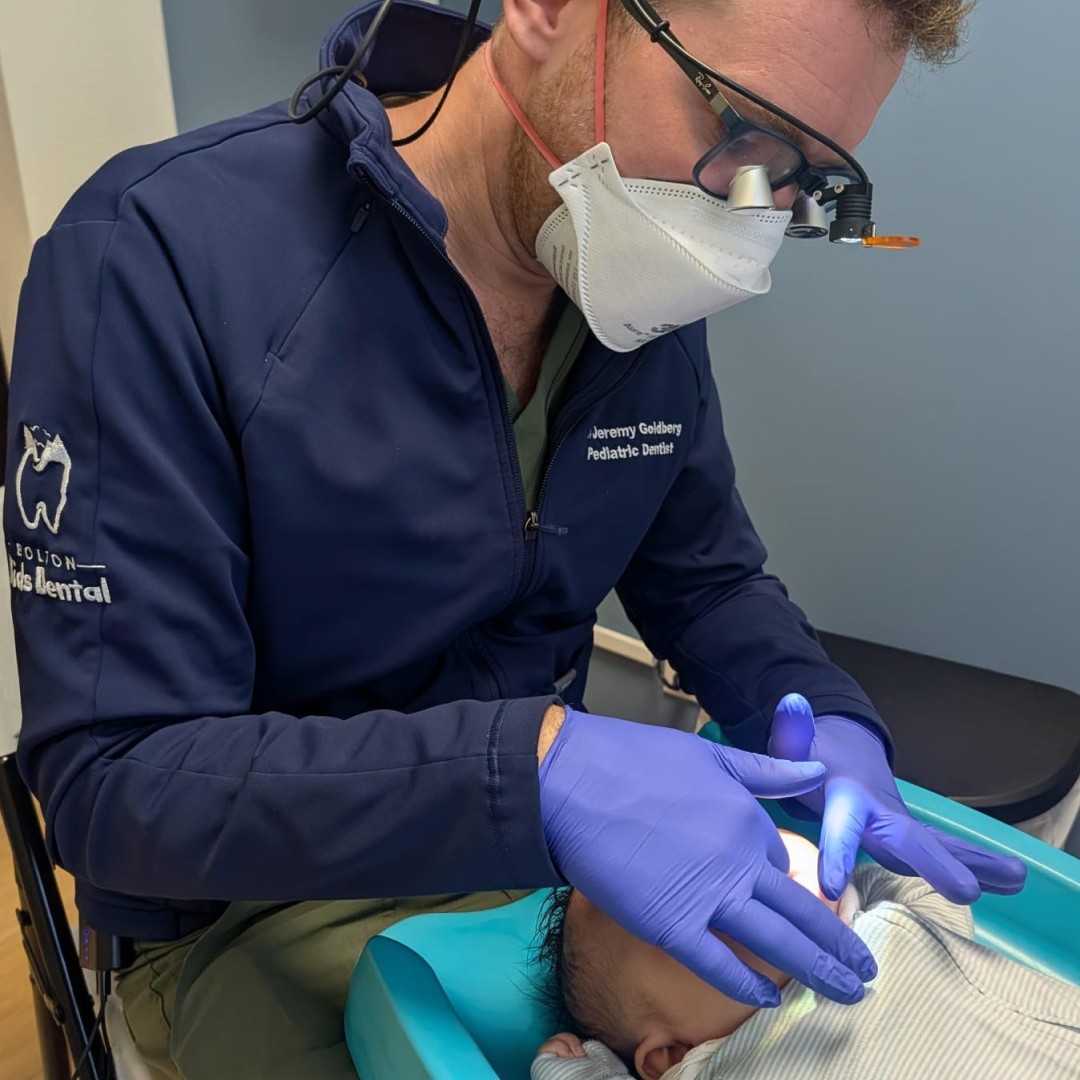
Infant Feeding Assessments
How your baby feeds plays an important role in their early oral development, but just as importantly, it shapes your experience as a parent. Our goal is to support you in reaching your feeding goals, whether that’s breastfeeding, bottle-feeding, or a combination of both.
Through a collaborative consultation with our pediatric dentist and lactation consultant, we take the time to understand your baby’s feeding history, assess latch (if desired), and identify what may be contributing to any challenges. We always begin with supportive, non-surgical approaches whenever possible.
If oral ties, such as tongue or lip ties, are impacting feeding and progress is limited, we can guide you through whether a frenectomy may be an appropriate next step. Every recommendation is made thoughtfully, with your baby’s wellbeing, and your goals, at the centre of care.
Tongue Tie Frenectomy
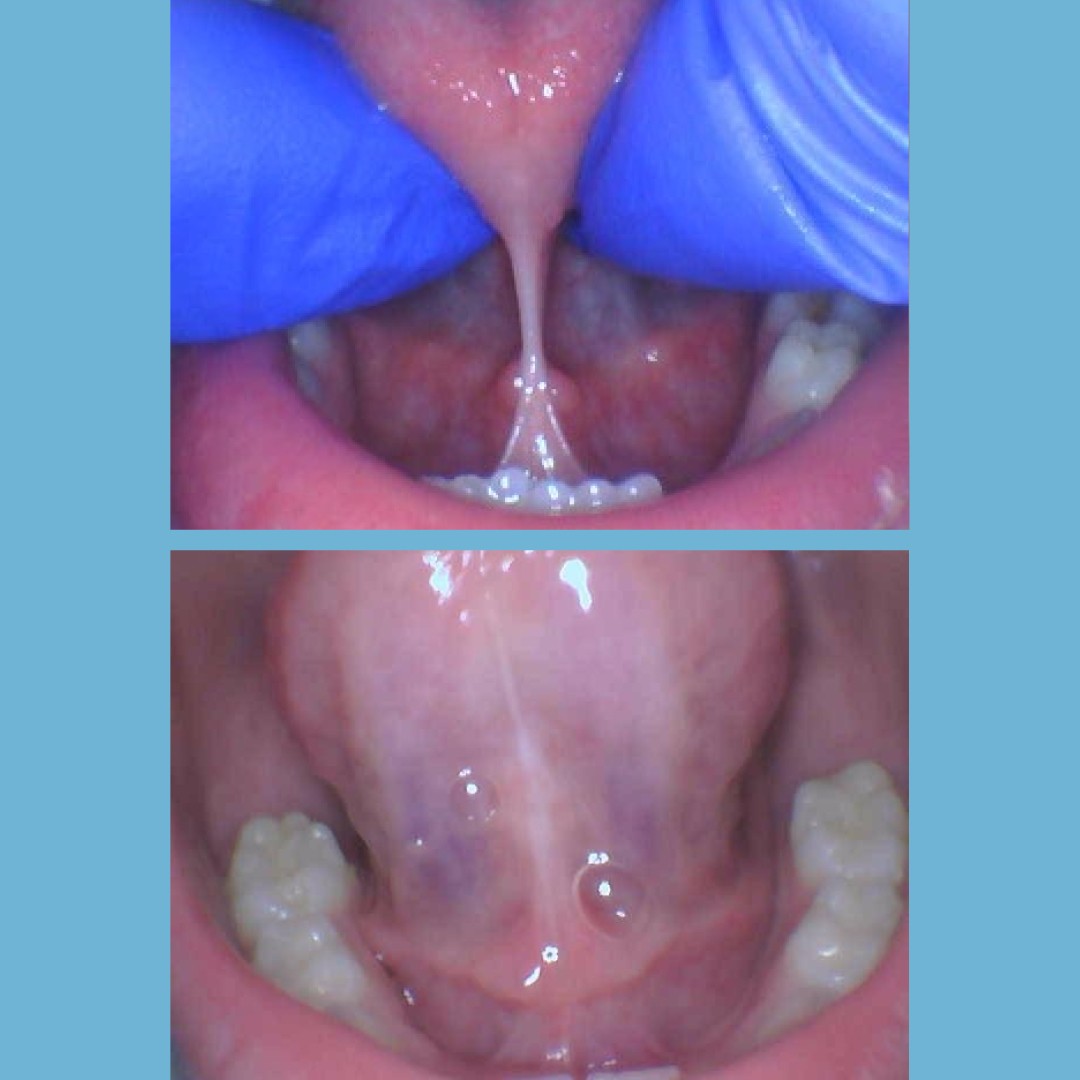
A tongue-tie occurs when the thin band of tissue under the tongue is too short or tight, restricting the tongue’s natural range of motion. We use advanced laser technology to perform a gentle release. This modern approach limits bleeding and typically results in a much more comfortable healing process than traditional methods.
For infants, a tongue-tie can make latching and suckling difficult during feeding. As your child grows, an untreated tie may impact their speech development or their ability to eat certain foods comfortably. Addressing a tongue-tie early ensures the mouth can function exactly as it should for healthy growth.
To ensure the best long-term results, we often collaborate with a team of specialists. This may include our on-site lactation consultant, speech therapists, or myofunctional therapists who help your child gain full, healthy tongue function after the procedure.
Lip Tie Frenectomy
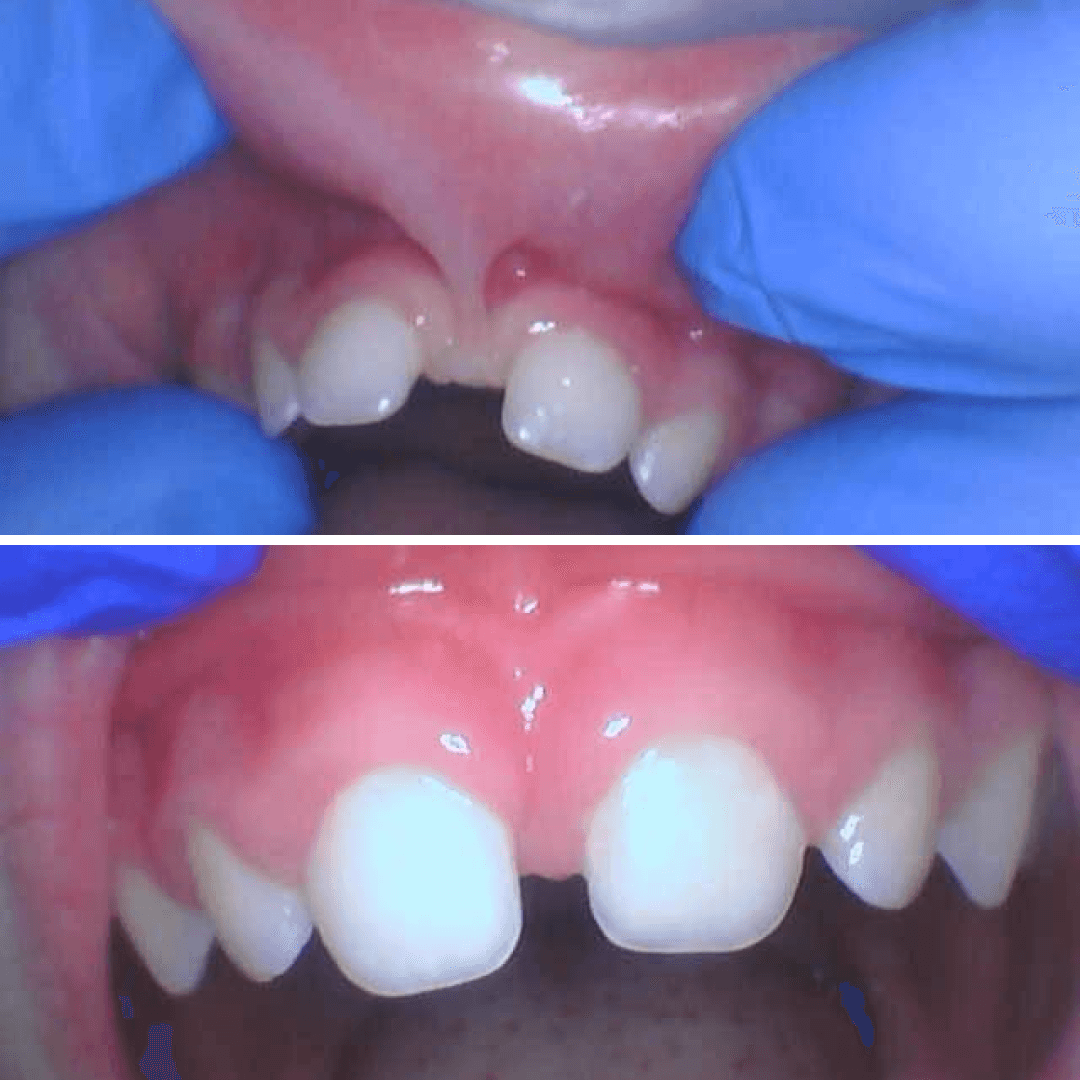
A lip-tie happens when the tissue connecting the upper lip to the gum is too thick or tight, which can "tether" the lip and limit its movement. At Bolton Kids Dental, we use a specialized laser to perform a simple and gentle release that helps the lip move freely.
In infants, a lip-tie can interfere with a proper seal during breastfeeding or bottle-feeding, often leading to discomfort for both the baby and the parent. In older children, a tight lip-tie can create a large gap between the front teeth or make it difficult to brush effectively, which increases the risk of cavities.
We believe in a complete approach to care. Our team works closely with you to ensure proper healing and function. Whether you are working with our on-site lactation consultant or another specialist, we are here to support your child’s journey toward a healthy and functional smile.

How we provide
Comfort and Care
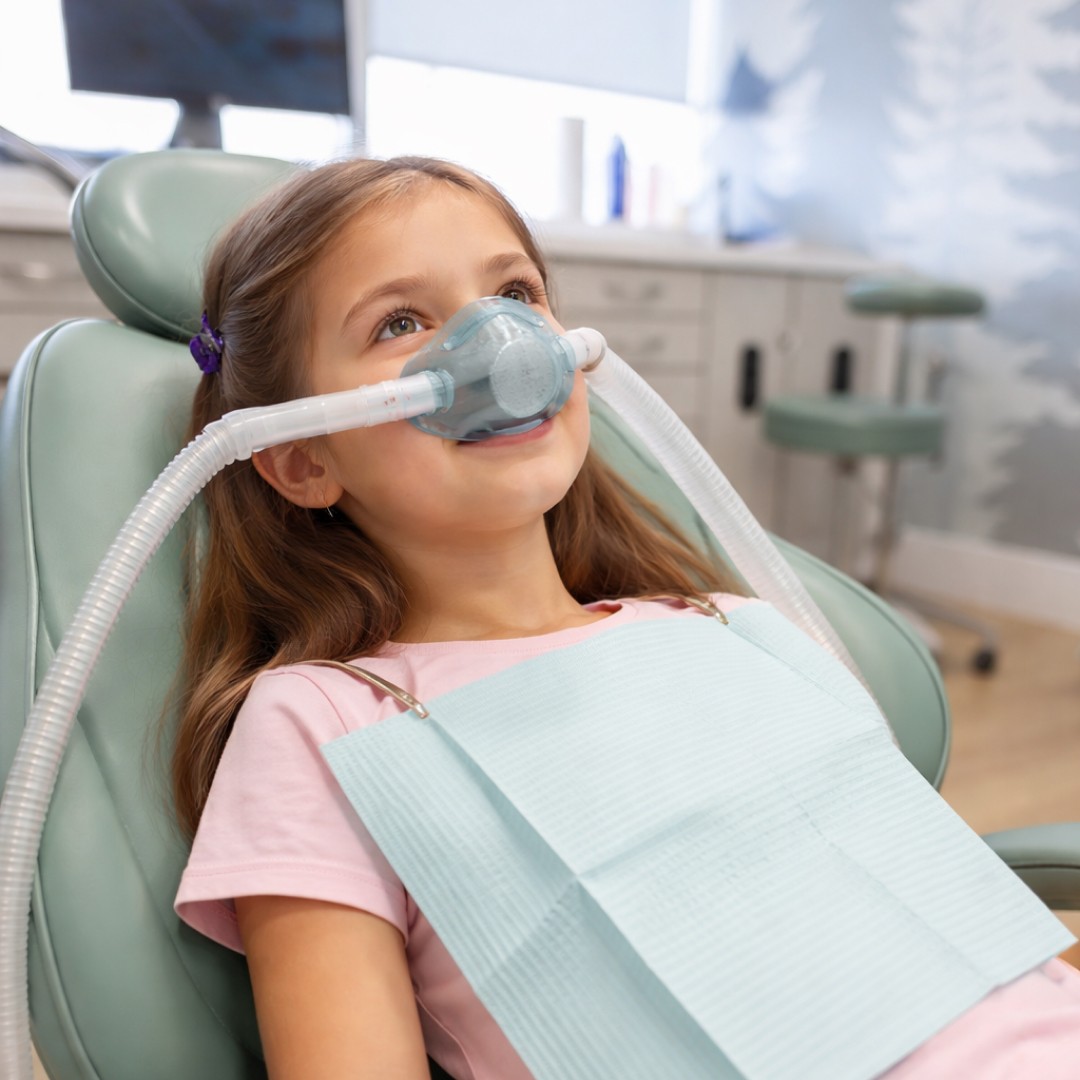
Laughing Gas
Laughing gas (Nitrous Oxide) is a mild, safe sedative used to lower anxiety and help your child feel relaxed during their treatment. It is inhaled through a comfortable "magic nose" mask and begins working within minutes to create a calm experience.
While breathing the gas, kids often feel floaty, tingly, or extra comfy. Some even feel a little bit silly! Your child will remain fully awake and responsive throughout the procedure, allowing them to communicate with our team while feeling more at ease.
One of the best features of laughing gas is how quickly it wears off. Once the treatment is finished, we switch to pure oxygen for a few minutes to completely clear the gas from your child’s system. They will feel back to normal almost immediately and can usually return to their regular activities right after the appointment.
Oral Moderate Sedation
For children with higher levels of anxiety or more extensive dental needs, oral sedation can be a helpful tool. This involves your child drinking a sedative medication or pill in our office before their treatment begins. Laughing gas is often used as well to achieve successful moderate sedation. Our goal is to create an even more relaxed state, making the visit much smoother and more comfortable for your child.
During oral sedation, your child remains awake and able to respond to our team, but they should feel drowsy and calm and may have less memory of the appointment afterwards. This approach aims to help build a positive long-term attitude toward visiting the dentist.
Your child’s safety is our highest priority. We carefully review every child’s medical history and specific needs to determine if oral sedation is the right fit. Our team will walk you through every step of the process to ensure you feel confident and informed about your child’s care.

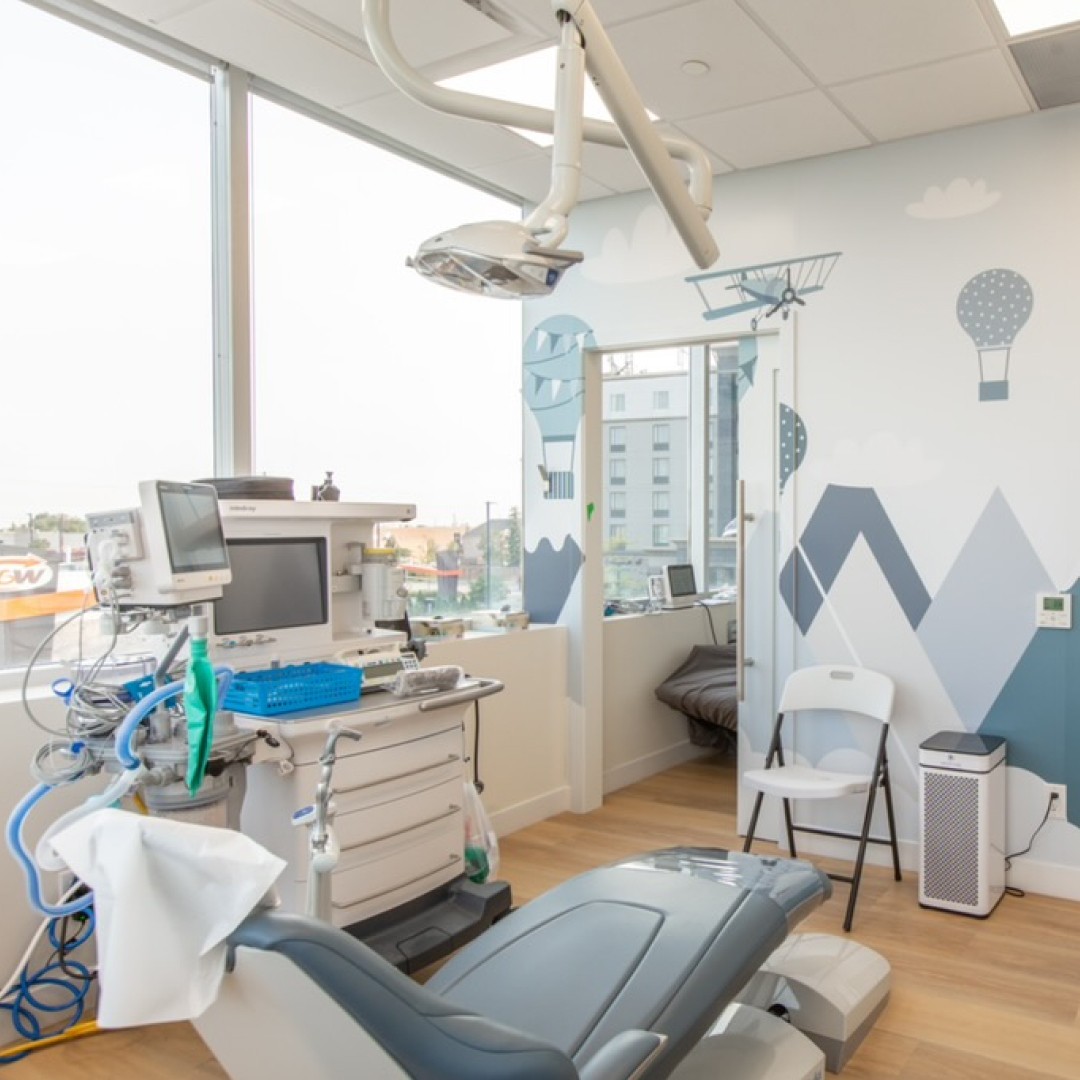
Sleep Dentistry
For children who cannot safely tolerate treatment awake, or for those who require extensive dental work, treatment under general anesthesia is a safe and effective option. This allows us to complete all necessary care in one single visit while your child is comfortably asleep.
Sleep dentistry ensures your child has no discomfort or memory of the procedure. By removing the stress and anxiety of multiple appointments or long appointments, we protect your child’s emotional well-being and prevent a negative association with the dentist.
Your child’s safety is our absolute priority. We provide in-office sleep dentistry alongside a specialized team of medical anesthesiologists and nurses. Most children are back to their usual selves by the end of the day and return to their regular activities the very next morning.
Dental Emergencies
If your child experiences a dental emergency, please reach out to us right away. We prioritize urgent cases and will do our very best to see your child as quickly as possible to get them out of discomfort.
As soon as an emergency happens, please contact us immediately. If you are able to, sending us a clear photo of the area via email can be incredibly helpful for Dr. Jeremy to assess the situation before you arrive.
If our office is unavailable and you cannot find local dental care, help is still available. You can contact the pediatric dental resident on-call at the Hospital for Sick Children through their hospital switchboard at 416-813-7500.